
5 Best Bone Meal Amendments for Nutrient-Rich Soil
You’ll find that bone meal amendments deliver phosphorus and calcium directly to your soil, strengthening root systems and flowering in organic gardens. Different products offer varying nutrient ratios and application methods—some work best mixed into soil at planting, while others feed gradually over weeks. Your choice depends on your garden type, certification needs, and preferred application method. Understanding these differences helps you select the right product for your specific growing situation.
| Burpee Bone Meal Fertilizer for Root Development |

| Best for Vegetables | NPK Ratio: 1-Natural phosphorus and calcium (specific NPK not listed) | Form: Powder | Package Size: 3 lb (48 oz) | VIEW LATEST PRICE | Read Our Analysis |
| Espoma Organic Bone Meal Fertilizer 4-12-0 (24 lb) |

| Best Overall | NPK Ratio: 4-12-0 | Form: Powder | Package Size: 24 lb | VIEW LATEST PRICE | Read Our Analysis |
| Jobe’s Organics Bone Meal Fertilizer Spikes (50 Count) |

| Easiest Application | NPK Ratio: 2-14-0 | Form: Spikes | Package Size: 50 count spikes | VIEW LATEST PRICE | Read Our Analysis |
| Down To Earth Organic Bone Meal Fertilizer (5 lb) |

| Highest Phosphorus | NPK Ratio: 3-15-0 | Form: Granules | Package Size: 5 lb (80 oz) | VIEW LATEST PRICE | Read Our Analysis |
| Fish Bone Meal Fertilizer 6-14-0 (3LB) |

| Best Value | NPK Ratio: 6-14-0 | Form: Powder | Package Size: 3 lb (48 oz) | VIEW LATEST PRICE | Read Our Analysis |
More Details on Our Top Picks
Burpee Bone Meal Fertilizer for Root Development
Are you growing tomatoes, peppers, or root vegetables? Burpee Bone Meal Fertilizer delivers the phosphorus and calcium your plants need for strong root systems. This OMRI-listed powder comes in a 3-pound bag and covers up to 240 square feet. Apply it during seed starting or before planting to establish robust roots early in the season. Mix the fine granules into soil around new bedding plants, established gardens, or containers. The slow-releasing formula provides nitrogen throughout your growing season, promoting vibrant blooms and quality fruit at harvest. Follow package instructions for proper application amounts. This product’s natural composition also deters rabbits, protecting your garden investment.
- NPK Ratio:1-Natural phosphorus and calcium (specific NPK not listed)
- Form:Powder
- Package Size:3 lb (48 oz)
- Organic Certification:OMRI listed
- Primary Target Plants:Tomatoes, peppers, bulbs
- Key Benefit:Strong root development and early-season growth
- Additional Feature:Natural rabbit deterrent properties
- Additional Feature:Coverage up to 240 square feet
- Additional Feature:Fine granular easy spreading
Espoma Organic Bone Meal Fertilizer 4-12-0 (24 lb)
Looking for a straightforward way to boost phosphorus and calcium in your garden? Espoma Organic Bone Meal Fertilizer 4-12-0 delivers 100% all-natural domestic bone meal with no fillers. The 24-pound bag provides long-lasting nutrients suitable for bulbs, annuals, and perennials. Apply it two ways: work the powder into soil at planting time, or sprinkle it around established plants and lightly work it in. This OMRI-certified organic product meets all organic production standards. With a 4-12-0 NPK ratio emphasizing phosphorus, it strengthens root development and flowering. The powder form allows easy application across medium coverage areas. Espoma’s established reputation since 1929 supports consistent product quality for your gardening needs.
- NPK Ratio:4-12-0
- Form:Powder
- Package Size:24 lb
- Organic Certification:Organic Input Material approved
- Primary Target Plants:Bulbs, annuals, perennials
- Key Benefit:Long-lasting nitrogen and phosphorus for blooms
- Additional Feature:No fillers or additives
- Additional Feature:100% domestic bone meal
- Additional Feature:Long-lasting nutrient release formula
Jobe’s Organics Bone Meal Fertilizer Spikes (50 Count)
Jobe’s Organics Bone Meal Fertilizer Spikes offer the easiest application method if you’re growing bulbs, tomatoes, roses, or other flowering plants and want to skip mixing powders or liquids. Each package contains fifty pre-measured spikes that you insert directly into soil at the root zone. Simply push spikes into the ground near your plants’ bases every eight weeks during the growing season. The 2-14-0 NPK formula delivers phosphorus where roots need it most, promoting strong development and vibrant blooms. Since the spikes release nutrients gradually without runoff, you’ll reduce mess and minimize root-burn risk compared to chemical alternatives. This USDA-certified organic option works well for any gardener seeking straightforward, effective fertilization.
- NPK Ratio:2-14-0
- Form:Spikes
- Package Size:50 count spikes
- Organic Certification:OMRI listed
- Primary Target Plants:Bulbs, tomatoes, roses, flowering plants
- Key Benefit:Root development with minimal runoff and no synthetic chemicals
- Additional Feature:Pre-measured spike delivery system
- Additional Feature:Minimal runoff and mess
- Additional Feature:Apply every 8 weeks
Down To Earth Organic Bone Meal Fertilizer (5 lb)
Down To Earth’s bone meal delivers the highest phosphorus content you’ll need for flowering plants, bulbs, and trees. This OMRI-listed organic fertilizer comes in granule form with a 3-15-0 nutrient ratio, providing readily available phosphorus and calcium. Apply it directly to soil when planting bulbs or establishing new growth areas. The phosphorus promotes strong root development and enhances bloom quality, while calcium supports overall plant structure. Use this 5 lb bag to boost root systems and improve water and nutrient uptake in your garden beds. Follow package directions for proper application rates based on your soil area.
- NPK Ratio:3-15-0
- Form:Granules
- Package Size:5 lb (80 oz)
- Organic Certification:OMRI listed
- Primary Target Plants:Bulbs, flowering plants, trees, ornamentals
- Key Benefit:Enhanced phosphorus for root and bloom development
- Additional Feature:Enhances water nutrient uptake
- Additional Feature:Granule form for easy application
- Additional Feature:Boosts root and bloom
Fish Bone Meal Fertilizer 6-14-0 (3LB)
When you’re establishing new garden beds or strengthening root systems in perennials and shrubs, NatureGrow’s Fish Bone Meal Fertilizer offers reliable nutrient support at a practical price point. This 3-pound powder delivers a 6-14-0 nutrient ratio, emphasizing phosphorus for root and bloom development. Mix it directly into soil before planting or work it around existing plants. The organic marine-based formula improves nutrient and water uptake while helping plants adjust to new soil conditions. Apply to flowering plants, trees, and shrubs for enhanced blooms and fruit production. The medium coverage makes this product suitable for small to mid-sized garden projects.
- NPK Ratio:6-14-0
- Form:Powder
- Package Size:3 lb (48 oz)
- Organic Certification:Organic
- Primary Target Plants:Bulbs, perennials, trees, shrubs
- Key Benefit:Phosphorus for root and bloom development with improved nutrient uptake
- Additional Feature:Marine-based organic ingredient source
- Additional Feature:Supports vibrant plant colors
- Additional Feature:Ideal for new garden beds
Factors to Consider When Choosing Bone Meal Amendments
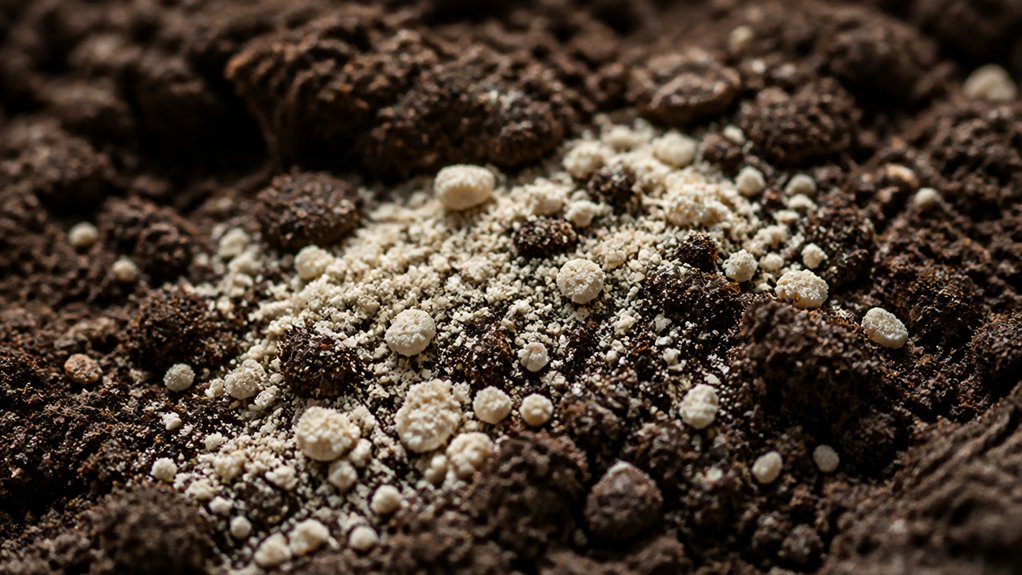
When selecting bone meal amendments, you’ll need to evaluate the NPK ratio to match your soil’s nutrient deficiencies and your plants’ growth stage requirements. Check whether the product meets organic certification standards if you’re growing for organic markets or prefer certified inputs, and determine the physical form—powder, granules, or pellets—that works best with your application equipment and garden layout. Finally, calculate the coverage area and quantity you’ll need based on your soil test results and plant type, since different crops have varying phosphorus and calcium demands.
Nutrient Content and NPK Ratios
How do you know which bone meal product will work best for your garden’s needs? Check the NPK ratio on the package label. Common ratios include 4-12-0, 3-15-0, and 6-14-0. The first number represents nitrogen, the second phosphorus, and the third potassium. You’ll notice phosphorus is always highest because it drives root and bloom development. Nitrogen levels vary—lower nitrogen means slower, gradual top-growth rather than rapid foliage. Choose higher nitrogen ratios if you want stronger stems and leaves. Select higher phosphorus ratios if your priority is root establishment and flowering. All bone meal products contain zero potassium, so you’ll need separate potassium sources if your soil requires it. Look for OMRI-listed products if you garden organically.
Organic Certification Standards
If you’re committed to organic gardening, you’ll want to verify that your bone meal product carries OMRI (Organic Materials Review Institute) certification or is labeled as an Organic Input Material (OIM). Both designations confirm the product meets strict organic production standards.
Check the product label for certification status before purchasing. OMRI-listed bone meal comes from natural sources like animal bones without synthetic additives or fillers. OIM-labeled products similarly meet organic requirements and can integrate into your organic system.
Certified bone meal delivers consistent nutrient ratios of nitrogen, phosphorus, and calcium that sustain plant growth over time. This certification ensures you’re using materials compatible with bulbs, perennials, and flowering plants in organic gardens.
Verify certification on packaging or contact the manufacturer directly to confirm compliance before application.
Application Method and Form
What form of bone meal works best for your garden depends on your planting situation and preferences for nutrient delivery. You can choose from three main options: powder, granular, or spikes. Powder form offers flexibility for mixing into soil before planting. Granular bone meal spreads evenly across established plants and breaks down gradually, making it ideal for bulbs, perennials, and shrubs. Spikes deliver nutrients directly to the root zone with minimal runoff; apply them every eight weeks or as needed. Consider your application method carefully. For new plantings, work powder or granules into the soil. For established plants, spikes provide convenient placement without disturbing roots. All three forms come in organic-eligible OMRI-listed options, supporting your certification goals.
Coverage Area and Quantity
Determining the right amount of bone meal for your garden requires you to match the product’s coverage capacity with your planting area. A 3 lb bag covers a medium garden bed or multiple planter containers, while larger 24 lb bags suit bigger plantings across several beds. Calculate your total garden space in square feet, then check the packaging label for the product’s coverage rate—typically ranging from medium to 240 square feet per unit. Spike formats simplify this process by delivering fixed nutrient doses directly to root zones, eliminating calculation guesswork. For precise results, count how many bags or spike units you’ll need based on your specific garden dimensions and desired application rate. Always follow manufacturer guidelines to avoid under- or over-application.
Plant Type Compatibility
Which plants in your garden’ll benefit most from bone meal? Match your amendment choice to your crops. Bulbs and bulbous perennials thrive with phosphorus-rich formulations like 3-15-0 or 6-14-0, promoting strong roots and early blooms. Tomatoes and peppers respond well to bone meal’s slow-release nitrogen and steady phosphorus, supporting robust root systems and healthy yields. Flowering trees and shrubs benefit from the calcium and phosphorus combination, improving bloom set and fruit quality. Apply bone meal at planting time for best results. Use OMRI-listed organic products for certified organic gardens. Timing matters: apply before planting to avoid root burn. Calculate application rates based on your soil test results and specific plant requirements.
Release Rate and Duration
Understanding how bone meal breaks down in your soil’ll help you choose the right amendment for your garden’s timeline. Bone meal releases phosphorus and calcium slowly because it’s organic and mineral-based, providing nutrients over weeks or months rather than days. Soil microbial activity and moisture speed up this breakdown—more activity means faster nutrient availability. Spikes or granules deliver nutrients directly to the root zone, reducing runoff while offering slower, targeted release compared to fast-dissolving powders. Check the formulation numbers like 3-15-0 or 4-12-0, which show phosphorus as the primary nutrient with minimal nitrogen. OMRI-listed or organic-certified bone meals sustain root growth through multiple growth stages, from seedlings to flowering, making them reliable for long-term garden planning.
Price Per Unit Comparison
How do you compare bone meal products fairly when prices vary widely across brands and package sizes? Calculate price per pound by dividing the total cost by bag weight. For spike products, divide cost by unit count to determine price per application. Larger bags, such as 24-pound sizes, typically cost less per pound than smaller 3- to 5-pound options, reducing your expense per feeding cycle. However, spikes offer fixed nutrient amounts per use, which may increase feeding costs compared to bulk powders that allow flexible dosing. Review coverage claims on packaging—products listing square footage help you assess cost efficiency per treated area. Organic or OMRI-listed options generally cost more per pound but provide certified compatibility with organic gardening standards, adding value beyond raw unit pricing.
Granule Size and Consistency
Why does granule size matter when you’re selecting bone meal? Particle size directly controls how quickly nutrients release into your soil and how evenly they distribute around plant roots. Fine granules break down faster and spread uniformly in seedbeds, reducing uneven dosing risks. Coarse granules release nutrients more slowly, making them ideal for established beds where you want sustained feeding over time. Uniform granule size prevents concentrated nutrient spots that can burn roots. For new planting areas, choose fine granular bone meal to ensure consistent coverage. For mature gardens requiring targeted feeding near specific root zones, larger granules work better. Match granule consistency to your application method—fine for mixing into soil, coarse for top-dressing established plants.
Final Thoughts
You’ve now reviewed five effective bone meal options for your garden. Select an OMRI-certified product if you’re growing organic crops. Apply bone meal at planting time to support root and bloom development while minimizing root burn. For consistent feeding, choose spikes for easy eight-week applications. Match the NPK ratio to your plants’ needs—higher phosphorus for flowering plants, balanced formulas for general use. Store unused product in a cool, dry location.
Related Posts


About The Author

LED Guru
An experienced veteran when it comes to growing indoors, hydroponics, and organics. LED Guru shares a massive amount of knowledge about LED growing and how to do it best.